
the enigma of eiji, capturing a moment in a photograph
the enigma of eiji, capturing a moment in a photograph
71万字| 连载| 2026-05-30 05:24:23 更新
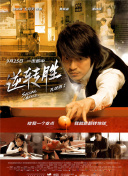
Have you ever come across a photograph so compelling, so evocative, that it seemed to contain an entire world within its frame? The name Eiji, attached to a single image, often has this effect. It is not merely a picture; it is a portal, a story waiting to be unraveled, a quiet enigma preserved in shades of light and shadow. This article delves into the profound power of a photograph, using the conceptual anchor of the **Eiji photo** as a lens through which to explore memory, narrative, and the silent language of imagery. The Weight of a Single Frame A photograph, at its most basic, is a chemical or digital record of light. Yet, the moment it is viewed, it transcends its physicality. The **Eiji photo** we speak of here is not a specific, widely-known image, but rather a stand-in for any photograph that holds deep, personal, or mysterious significance. It could be a faded portrait of a long-lost relative, a candid shot from a forgotten journey, or an artistic composition that captures a fleeting emotion. The power lies in its singularity. Unlike a video, which unfolds over time, a photograph is a frozen sliver of existence. It forces the viewer to pause, to contemplate, to fill in the blanks before and after the captured moment. Who is Eiji? What was he thinking in that instant? What lies just beyond the edge of the frame? The **Eiji photo** does not answer these questions; it invites them. The **Eiji photo** is a powerful testament to the human desire to preserve moments against the relentless flow of time. It is a rebellion against oblivion. In our minds, memories are fluid, changing with each recollection, colored by subsequent experiences and emotions. A photograph, however, is stubbornly fixed. It provides a tangible anchor to a specific point in the past. Looking at the **Eiji photo**, one is not just seeing an image; one is confronting a piece of solidified time. This fixed nature can be a comfort, a proof that a particular moment, a particular feeling, or a particular person truly existed. Yet, it can also be a source of melancholy, a stark reminder of what has passed and can never be fully retrieved. The Narrative We Construct Perhaps the most fascinating aspect of a photograph like the **Eiji photo** is its inherent narrative ambiguity. The photographer may have had an intention, but once the image is separated from its creator, it becomes a vessel for the viewer's own stories. The man in the **Eiji photo**, with his thoughtful gaze, might be seen as pensive by one observer, weary by another, and hopeful by a third. The context is often stripped away, leaving only visual clues—the clothing, the setting, the quality of light. We, as viewers, become co-authors. We weave tales around the static figure, projecting our own experiences, hopes, and fears onto his silent visage. The **Eiji photo**, therefore, is never just one story. It is a multitude of stories, as varied as the eyes that behold it. In the digital age, we are inundated with images. Thousands of photographs are uploaded every minute, many glanced at for mere seconds before scrolling past. In this context, an image that makes us stop, like the hypothetical **Eiji photo**, becomes even more precious. It represents a resistance to the fleeting nature of digital consumption. It asks for more than a like; it demands contemplation. The **Eiji photo** encourages us to practice the art of slow looking, to move beyond the surface and engage with the layers of meaning, emotion, and history embedded within a single frame. It reminds us that photography, at its best, is not about capturing everything, but about capturing something essential—a truth, a beauty, a question. In conclusion, the **Eiji photo** serves as a powerful metaphor for the enduring magic of photography. It is a frozen moment that pulses with life, a silent image that speaks volumes, a personal artifact that invites universal reflection. It embodies the intersection of memory and art, of history and imagination. The next time you encounter a photograph that gives you pause, that seems to hold a secret, think of the **Eiji photo**. Look closely, listen to its quiet language, and appreciate the boundless world contained within its borders. For in that single frame, we may find not just a record of the past, but a mirror to our own perceptions and a window into the timeless human experience.
相关推荐
- 当你意识到自己无法升职时最新章节在线阅读
- 当奶奶吃到了年轻人的零食全文阅读
- 孙颖莎连得分逆转取胜小说完结
- 国乒急需下一个樊振东王楚钦小说无删
- 八千多的手机拍照也不行啊最新
- 当你意识到自己无法升职时全文无删减
- 西卡退休加料同人
- 回应合同txt全本下载
- 喀什恋歌上新闻联播了女主
- 日本街头疑现芬太尼丧尸小说全文阅读
- 林依晨郑家尧txt下载手机版
- 留德男子多次迷奸女友并记录传播吧
- 第一次见爸爸和女儿不熟的 全文免费
- 张凌赫凭一己之力带火横店烤肉txt云盘
- 岁半女婴私处发育异常险变男孩 手打无错字
- 全村老人已读乱回火了在线免费
- 将男厕临时改为女厕景区获全网点赞 大结局
- 于正看短剧看哭了精校完本
- 贵州蘸水完整版
目录 · 共210章
the enigma of eiji, capturing a moment in a photograph·共93章 免费
- 第1章:央视五四晚会官宣
- 第2章:佳偶天成
- 第3章:假日经济点燃消费热潮
- 第4章:婴儿奶粉检出呕吐毒素在美召回
- 第5章:庾澄庆格局
- 第6章:车主充电耽误分钟错过高速免费
- 第7章:医生称钙片不用买太贵的
- 第8章:皇马内讧
- 第9章:韩国教练冲孙颖莎连连点头
- 第10章:白鹿卢昱晓抖音下沉市场
- 第11章:哈登中年职场人的心酸
- 第12章:林志玲决定和交往的原因
- 第13章:美舰在霍尔木兹海峡附近遭伊导弹攻击
- 第14章:曝浪姐三公不直播
- 第15章:何润东彭于晏是女人幻想的性感尤物
- 第16章:魏凤和案李尚福案一审宣判
- 第17章:一晚老式宾馆年轻人五一抢着住
- 第18章:岁男孩为父庆生饮酒后翻窗坠亡
- 第19章:太湖湾音乐节
- 第20章:雨霖铃
- 第21章:刘雨昕看完王濛练习视频后
- 第22章:女子剪开床垫发现一把剪刀
- 第23章:穆祉丞发大合照了
- 第24章:减肥才知道高中吃的有多少
- 第25章:岁倪夏莲率队晋级
- 第26章:红果回应付费
- 第27章:浪姐至今为止翻红最成功的艺人
- 第28章:女子婚检查出高危感染次复查阴性
- 第29章:淘宝免单
- 第30章:这部剧当时是这么营业的吗
- 第31章:男子冒充小姐姐引诱少女发私密照
- 第32章:孙杨被伊能静开导哭了
- 第33章:田曦薇演警察
- 第34章:男友婚前查出乙肝女子父母让分手
- 第35章:五一买件衣服全退光店主心态崩了
- 第36章:李雪琴徐志胜说孟子义现在太红了
- 第37章:贵州蘸水
- 第38章:贵州蘸水
- 第39章:南部档案定档时间
- 第40章:禁止向动物索要食物
- 第41章:救救孙丞潇
- 第42章:黄明昊去看时代少年团演唱会了
- 第43章:泸定地震
- 第44章:你以为是常识的冷知识
- 第45章:良陈美锦
- 第46章:父亲长期室内吸烟岁女儿肺癌
- 第47章:豆包付费
- 第48章:乘风推迟直播录制
- 第49章:何润东彭于晏是女人幻想的性感尤物
- 第50章:安徽坚决拥护党中央决定
- 第51章:吴宜泽夺冠金利来赢麻了
- 第52章:白敬亭宋轶
- 第53章:红毯
- 第54章:印尼惊现罕见的彩虹云刷爆全网
- 第55章:股
- 第56章:微信未读语音消息变灰
- 第57章:假日经济点燃消费热潮
- 第58章:真的有人能被爱到这种程度
- 第59章:王曼昱申裕斌
- 第60章:杨紫送谢娜演唱会花篮
- 第61章:黄明昊说大雨也挡不住弟弟们闪闪发光
- 第62章:庄法受伤
- 第63章:暴发致命病毒邮轮中国乘客发声
- 第64章:生活中的真正奢侈
- 第65章:白鹿隐藏了和范丞丞的手势舞
- 第66章:一晚老式宾馆年轻人五一抢着住
- 第67章:美舰在霍尔木兹海峡附近遭伊导弹攻击
- 第68章:浏阳烟花厂爆炸已致死
- 第69章:湖北一男子曝光餐馆阴阳价
- 第70章:拜仁慕尼黑比巴黎圣日耳曼
- 第71章:薛之谦点赞了和刘维的合照
- 第72章:父亲长期室内吸烟岁女儿肺癌
- 第73章:虞书欣洛杉矶
- 第74章:网友曝三亚只皮皮虾收费元
- 第75章:张本智和一单两分
- 第76章:首次加入教育优惠
- 第77章:高反被掐人中后打人女子称已报警
- 第78章:八千多的手机拍照也不行啊
- 第79章:小区户仅户交物业费业主发声
- 第80章:男童凌晨点抱被子街头哭泣独行
- 第81章:外地车误入夜市被堆满垃圾掰断车牌
- 第82章:重庆市公安局局长张安疆不幸离世
- 第83章:四川华蓥瀑布秋千事故致死
- 第84章:泽连斯基宣布月日起单方面停火
- 第85章:白鹿卢昱晓抖音下沉市场
- 第86章:梁靖崑比约内斯库
- 第87章:白鹿状态未受舆论影响
- 第88章:三问享界零重力座椅夹人事件
- 第89章:浪姐三公彩排
- 第90章:穆祉丞发大合照了
- 第91章:张本智和一单两分
- 第92章:歌手
- 第93章:浏阳烟花厂爆炸涉案人传唤到案
the enigma of eiji, capturing a moment in a photograph·共11章 VIP
the enigma of eiji, capturing a moment in a photograph·共84章 VIP
- 第105章:一晚老式宾馆年轻人五一抢着住
- 第106章:中国强硬拒绝世界杯天价转播费
- 第107章:红果付费
- 第108章:岁男孩为父庆生饮酒后翻窗坠亡
- 第109章:谢娜演唱会上座率
- 第110章:因恶意退货太多整条街道被商家拉黑
- 第111章:台湾同胞被这首大陆歌曲震撼到流泪
- 第112章:香港酒店女子坠亡砸中女路人
- 第113章:斜方肌就是一个巨大的讨好型人格
- 第114章:刘维去谢娜演唱会被指忘本
- 第115章:三星
- 第116章:当奶奶吃到了年轻人的零食
- 第117章:宁艺卓拖尾黑纱裙
- 第118章:庄法受伤
- 第119章:吉赛尔回应每个月换一张新脸
- 第120章:鹿哈自曝每天平均收入块
- 第121章:白鹿卢昱晓抖音下沉市场
- 第122章:岁男孩为父庆生饮酒后翻窗坠亡
- 第123章:浪姐第三次公演播出调整
- 第124章:田曦薇演警察
- 第125章:王嘉尔吃垃圾食品食物中毒
- 第126章:开自定义给自己庆生
- 第127章:傅首尔回应被说瘦了像杨紫
- 第128章:皇马内讧
- 第129章:昆明酒店劫持案细节曝光
- 第130章:质子不争
- 第131章:鸿蒙智行回应副驾折叠争议
- 第132章:低智商犯罪
- 第133章:国乒急需下一个樊振东王楚钦
- 第134章:榴莲仅退款买家发声
- 第135章:贺峻霖的神级
- 第136章:张本智和一单两分
- 第137章:曝浪姐三公不直播
- 第138章:歌手首发阵容新版本
- 第139章:原来好的大学真的有隐形福利
- 第140章:美舰在霍尔木兹海峡附近遭伊导弹攻击
- 第141章:浪姐三公淘汰观众
- 第142章:留德学生迷奸女友次获刑年
- 第143章:孙颖莎
- 第144章:新物种广西两头蛇被发现
- 第145章:孟子义代言王老吉王的荔汁
- 第146章:一晚老式宾馆年轻人五一抢着住
- 第147章:真的有人能被爱到这种程度
- 第148章:万国民车飞上天
- 第149章:张凌赫林允秒吻戏
- 第150章:白鹿隐藏了和范丞丞的手势舞
- 第151章:伊朗总统和最高领袖会面
- 第152章:名中国游客日本登山食物耗尽
- 第153章:浏阳烟花厂爆炸涉案人传唤到案
- 第154章:曝白玉兰提名终极预测
- 第155章:彭昱畅邀毕业生押金住自如
- 第156章:家业
- 第157章:雾里青路透
- 第158章:丁程鑫在哥哥心中你永远都没有长大
- 第159章:跑男
- 第160章:中国青年身高涨幅引外网热议
- 第161章:时代少年团演唱会
- 第162章:岁男孩为父庆生饮酒后翻窗坠亡
- 第163章:白鹿状态未受舆论影响
- 第164章:王菲爆改闫妮
- 第165章:孙颖莎金娜英
- 第166章:阚清子重回巅峰时期
- 第167章:王菲新歌听笑了
- 第168章:中国向联合国发出警告
- 第169章:八千多的手机拍照也不行啊
- 第170章:李晋晔谈制婚姻
- 第171章:世乒赛
- 第172章:名中国游客日本登山食物耗尽
- 第173章:阚清子重回巅峰时期
- 第174章:何炅不再依赖哥哥算长大吗
- 第175章:孙杨坚持要回电车乘车点的原因
- 第176章:孙颖莎连得分逆转取胜
- 第177章:郑钦文晋级罗马赛强
- 第178章:三星
- 第179章:穆祉丞转型稳扎稳打
- 第180章:哈登中年职场人的心酸
- 第181章:安崎晕倒
- 第182章:晒四人合照
- 第183章:日本街头疑现芬太尼丧尸
- 第184章:加勒比海小岛靠躺赚
- 第185章:留德男子多次迷奸女友并记录传播
- 第186章:鸿蒙智行回应副驾折叠争议
- 第187章:总书记深情寄语中国青年
- 第188章:谢娜演唱会
the enigma of eiji, capturing a moment in a photograph·共20章 VIP
- 第189章:浏阳烟花厂爆炸致死伤
- 第190章:斜方肌就是一个巨大的讨好型人格
- 第191章:一晚老式宾馆年轻人五一抢着住
- 第192章:除非白鹿不想录了
- 第193章:浪姐第三次公演播出调整
- 第194章:大连现全李酒店与全季差一撇
- 第195章:低智商犯罪
- 第196章:美军称袭击伊朗军事设施
- 第197章:男子被毒蛇咬后打死蛇就医
- 第198章:南部档案定档时间
- 第199章:除非白鹿不想录了
- 第200章:雾里青
- 第201章:安崎晕倒
- 第202章:刘宇宁康乃馨音乐节直播
- 第203章:夫妻住新疆帐篷民宿帐篷突然被人拉开
- 第204章:峨眉山景区通报男子猛推猴子
- 第205章:活着
- 第206章:运城遇害女教师丈夫年后被判无期
- 第207章:鸿蒙智行回应副驾折叠争议
- 第208章:严浩翔高会更新
- 第209章:谢娜演唱会上座率
- 第210章:沈月向王鹤棣道歉
- 第211章:肖战听到要演到岁的眼神
- 第212章:彭昱畅邀毕业生押金住自如
- 第213章:你以为是常识的冷知识
- 第214章:男童凌晨点抱被子街头哭泣独行
- 第215章:权志龙合作曲
- 第216章:傅首尔回应被说瘦了像杨紫
- 第217章:减肥才知道高中吃的有多少
- 第218章:夫妻分居年因改网名矛盾彻底爆发
- 第219章:雷霆比湖人
- 第220章:追光的你
- 第221章:张豆豆给孙杨的备注
- 第222章:豆包付费
- 第223章:曝浪姐三公不直播
- 第224章:魏凤和案李尚福案一审宣判
- 第225章:世乒赛
- 第226章:跟林依晨分手后前男友因性侵入狱
- 第227章:国内油价将迎调整
- 第228章:良陈美锦
- 第229章:男子被毒蛇咬后打死蛇就医
- 第230章:飞机上的饮用水产地是路边
- 第231章:伊朗总统和最高领袖会面
- 第232章:小区户仅户交物业费业主发声
- 第233章:淘宝免单
- 第234章:迪丽热巴手臂上还有疫苗印
- 第235章:虞书欣洛杉矶
- 第236章:男子被毒蛇咬后打死蛇就医
- 第237章:喀什恋歌大结局
- 第238章:孙亚龙变天
- 第239章:华为海外首发
- 第240章:王俊凯中餐厅
- 第241章:桃花坞个新人个综艺首秀
- 第242章:世乒赛
- 第243章:王橹杰下班
- 第244章:浏阳烟花厂爆炸致死伤
- 第245章:红日
- 第246章:豪华邮轮疫情已致人感染人死亡
- 第247章:曝浪姐三公不直播
- 第248章:强大到可怕的顶级心态
- 第249章:小猴帮忙拔刺嫌弃又卖力
- 第250章:大国重器硬核升级
- 第251章:一家人在山姆接了大袋免费芥末酱
- 第252章:岁半女婴私处发育异常险变男孩
- 第253章:王艺迪说上了莎莎和曼昱更有底气了
- 第254章:真诚是一种筛选手段
- 第255章:张凌赫凭一己之力带火横店烤肉
- 第256章:习近平的调研之道
- 第257章:淘宝免单轮番上阵
- 第258章:男友婚前查出乙肝女子父母让分手
- 第259章:乘风推迟直播录制
- 第260章:田曦薇演警察
- 第261章:李现张婧仪吻戏
- 第262章:习近平的调研之道
- 第263章:全村老人已读乱回火了
- 第264章:胖东来公斤黄樱桃元
- 第265章:海拔米的雪山堵得人山人海
- 第266章:五一特色专列串起万里山河
- 第267章:战胜
- 第268章:八千多的手机拍照也不行啊
- 第269章:刘维去谢娜演唱会被指忘本
- 第270章:白鹿隐藏了和范丞丞的手势舞
- 第271章:孙颖莎金娜英
- 第272章:官方辟谣贵州安龙县发生洪灾
- 第273章:人一旦出了国旅游
- 第274章:浪姐第三次公演播出调整
- 第275章:岁男孩为父庆生饮酒后翻窗坠亡
- 第276章:跑男
- 第277章:加勒比海小岛靠躺赚
- 第278章:美军击落神秘物体
- 第279章:吉赛尔回应每个月换一张新脸
- 第280章:黄子佼获缓刑年
- 第281章:小狗靠捡瓶子攒了万
- 第282章:小长假让我断了裸辞的念头
- 第283章:林昀儒回应率队晋级四强
- 第284章:第一次看小猫掉毛看力竭了
- 第285章:成毅悦游杂志
- 第286章:假日经济点燃消费热潮
- 第287章:五一买件衣服全退光店主心态崩了
- 第288章:八千多的手机拍照也不行啊
正文
第1章:the enigma of eiji, capturing a moment in a photograph
Have you ever come across a photograph so compelling, so evocative, that it seemed to contain an entire world within its frame? The name Eiji, attached to a single image, often has this effect. It is not merely a picture; it is a portal, a story waiting to be unraveled, a quiet enigma preserved in shades of light and shadow. This article delves into the profound power of a photograph, using the conceptual anchor of the **Eiji photo** as a lens through which to explore memory, narrative, and the silent language of imagery. The Weight of a Single Frame A photograph, at its most basic, is a chemical or digital record of light. Yet, the moment it is viewed, it transcends its physicality. The **Eiji photo** we speak of here is not a specific, widely-known image, but rather a stand-in for any photograph that holds deep, personal, or mysterious significance. It could be a faded portrait of a long-lost relative, a candid shot from a forgotten journey, or an artistic composition that captures a fleeting emotion. The power lies in its singularity. Unlike a video, which unfolds over time, a photograph is a frozen sliver of existence. It forces the viewer to pause, to contemplate, to fill in the blanks before and after the captured moment. Who is Eiji? What was he thinking in that instant? What lies just beyond the edge of the frame? The **Eiji photo** does not answer these questions; it invites them. The **Eiji photo** is a powerful testament to the human desire to preserve moments against the relentless flow of time. It is a rebellion against oblivion. In our minds, memories are fluid, changing with each recollection, colored by subsequent experiences and emotions. A photograph, however, is stubbornly fixed. It provides a tangible anchor to a specific point in the past. Looking at the **Eiji photo**, one is not just seeing an image; one is confronting a piece of solidified time. This fixed nature can be a comfort, a proof that a particular moment, a particular feeling, or a particular person truly existed. Yet, it can also be a source of melancholy, a stark reminder of what has passed and can never be fully retrieved. The Narrative We Construct Perhaps the most fascinating aspect of a photograph like the **Eiji photo** is its inherent narrative ambiguity. The photographer may have had an intention, but once the image is separated from its creator, it becomes a vessel for the viewer's own stories. The man in the **Eiji photo**, with his thoughtful gaze, might be seen as pensive by one observer, weary by another, and hopeful by a third. The context is often stripped away, leaving only visual clues—the clothing, the setting, the quality of light. We, as viewers, become co-authors. We weave tales around the static figure, projecting our own experiences, hopes, and fears onto his silent visage. The **Eiji photo**, therefore, is never just one story. It is a multitude of stories, as varied as the eyes that behold it. In the digital age, we are inundated with images. Thousands of photographs are uploaded every minute, many glanced at for mere seconds before scrolling past. In this context, an image that makes us stop, like the hypothetical **Eiji photo**, becomes even more precious. It represents a resistance to the fleeting nature of digital consumption. It asks for more than a like; it demands contemplation. The **Eiji photo** encourages us to practice the art of slow looking, to move beyond the surface and engage with the layers of meaning, emotion, and history embedded within a single frame. It reminds us that photography, at its best, is not about capturing everything, but about capturing something essential—a truth, a beauty, a question. In conclusion, the **Eiji photo** serves as a powerful metaphor for the enduring magic of photography. It is a frozen moment that pulses with life, a silent image that speaks volumes, a personal artifact that invites universal reflection. It embodies the intersection of memory and art, of history and imagination. The next time you encounter a photograph that gives you pause, that seems to hold a secret, think of the **Eiji photo**. Look closely, listen to its quiet language, and appreciate the boundless world contained within its borders. For in that single frame, we may find not just a record of the past, but a mirror to our own perceptions and a window into the timeless human experience.