
body language of cinema_ an exploration of non-verbal expression in film
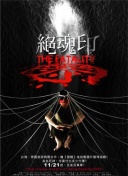
body language of cinema_ an exploration of non-verbal expression in film
32万字| 连载| 2026-05-29 06:50:47 更新
In the grand tapestry of cinematic storytelling, dialogue often takes center stage, driving plots and revealing character motivations. However, the profound and often understated power of the "肢体的语言" (body language) is what truly breathes life into a performance, transforming scripted lines into authentic human experience. The phrase "肢体的语言," as a concept, extends far beyond the actors' physicality; it is the film's own grammar, a visual and emotional vocabulary communicated through camera movement, editing rhythms, and spatial composition, creating a silent symphony of meaning that resonates with audiences on a subconscious level. The Actor's Physical Instrument: The Foundation of Emotional Truth At its most immediate, the "肢体的语言" in film refers to the actor's physical performance. A masterful actor can convey a universe of thought and feeling without uttering a single word. Consider the subtlety of a hesitant step forward, the tension in a clenched jaw, the vulnerability in a slouched posture, or the defiance in a straightened spine. These micro-expressions and gestures form the bedrock of character, often revealing truths that dialogue may conceal. A character professing confidence while their fingers fidget with a cufflink tells a more complex story than words alone could. This physical authenticity is what forges a deep connection between the character and the viewer, making their joys, sorrows, and fears palpably real. It is the art of showing, not just telling, where the body becomes the primary text. Beyond Performance: The Cinematic Body as a Narrative Architect The concept of "肢体的语言" expands brilliantly when we consider the film itself as a body—a living, breathing entity with its own kinetic and visual language. The camera, in this sense, becomes the film's eyes and perspective. A slow, steady tracking shot can embody contemplation or inevitability, while a frantic, handheld sequence translates as anxiety or chaos. The "肢体的语言" of the camera is its movement: the way it dances with the actors, lingers on a detail, or pulls back to reveal a context. Similarly, editing is the film's pulse and rhythm. The staccato beat of quick cuts can mirror a character's racing heart or a tense action sequence, creating a sense of urgency and fragmentation. Conversely, long, unbroken takes act as a deep, measured breath, inviting the audience to inhabit a moment fully, building tension or fostering intimacy. The spatial design within the frame—the "肢体的语言" of mise-en-scène—also speaks volumes. The distance between characters, their positioning within a room, the use of confining or liberating spaces, all articulate relationships, power dynamics, and internal states. A character isolated in a vast, empty frame visually communicates loneliness, while a crowded, cluttered composition might reflect mental overwhelm. The Dialogue of Silence: Where Visual Language Reigns Supreme Some of cinema's most powerful moments occur in silence, where the "肢体的语言" is the sole narrator. Silent films, of course, relied entirely on this visual vocabulary, but even in sound cinema, sequences devoid of dialogue often leave the most indelible impressions. The prolonged, tense standoff where eyes and posture say everything; the quiet moment of grief expressed through a trembling hand; the joyous reunion communicated through a sprinting embrace—these are instances where the film trusts its visual and physical grammar to carry the emotional weight. This reliance on non-verbal expression demands active engagement from the audience, inviting them to interpret and feel rather than simply listen, resulting in a more personal and immersive experience. Conclusion: The Unspoken Heartbeat of Cinema In conclusion, the "肢体的语言" is the unspoken heartbeat of cinema. It is a multi-layered language that operates from the micro-level of an actor's glance to the macro-level of the film's directorial vision. It is the bridge between the fictional world on screen and the empathetic heart of the viewer. While dialogue provides the blueprint of the story, it is the "肢体的语言"—the choreography of bodies in space, the gaze of the camera, the rhythm of the cut—that constructs the emotional architecture, paints the psychological landscape, and ultimately makes the cinematic experience resonate with a truth that words alone cannot capture. To fully appreciate the art of film is to learn to listen with one's eyes, to become fluent in this rich, evocative, and universal language of the body in motion.
相关推荐
目录 · 共210章
body language of cinema_ an exploration of non-verbal expression in film·共93章 免费
- 第1章:吴宜泽回应万英镑奖金用途
- 第2章:美国艘军舰穿越霍尔木兹遭袭
- 第3章:重庆市公安局局长张安疆不幸离世
- 第4章:难听
- 第5章:五一微信数据报告来了
- 第6章:严浩翔神父捧花
- 第7章:妈妈心疼女儿带娃辛苦每早送饭
- 第8章:湖人雷霆
- 第9章:泰康人寿回应销冠被拘
- 第10章:浏阳烟花厂爆炸致死伤
- 第11章:习近平的调研之道
- 第12章:浪姐三公淘汰观众
- 第13章:马頔人家新婚你忍忍吧
- 第14章:银行已支付一储户万本金利息
- 第15章:天津一山姆内顾客拿袋子装免费酱料
- 第16章:终于懂了朝花夕拾的力量
- 第17章:龙队急得直挠头
- 第18章:红日
- 第19章:贺峻霖
- 第20章:全力救治伤员科学组织搜救
- 第21章:回应合同
- 第22章:万存银行被员工转走后续
- 第23章:陈漫拍
- 第24章:运城遇害女教师丈夫年后被判无期
- 第25章:何润东彭于晏是女人幻想的性感尤物
- 第26章:难听
- 第27章:国乒急需下一个樊振东王楚钦
- 第28章:五一买件衣服全退光店主心态崩了
- 第29章:晒四人合照
- 第30章:被银行员工转走的万已全部返还
- 第31章:薛之谦点赞了和刘维的合照
- 第32章:菩萨手拍卖文物流失
- 第33章:男子杀妻后自缢遗言称想和亡子团聚
- 第34章:原来好的大学真的有隐形福利
- 第35章:亚历山大一级恶意犯规
- 第36章:胖东来公斤黄樱桃元
- 第37章:男子回应房子没盖完钢筋发芽了
- 第38章:郭涛岁女儿身高
- 第39章:当奶奶吃到了年轻人的零食
- 第40章:感觉疲惫并不是前额叶受损
- 第41章:林昀儒零封莫雷加德卡尔伯格
- 第42章:八千多的手机拍照也不行啊
- 第43章:留德男子多次迷奸女友并记录传播
- 第44章:迪丽热巴手臂上还有疫苗印
- 第45章:谢娜回应又被黄灿灿踩裙子了
- 第46章:支付宝把便利店搞成球迷流水席
- 第47章:国乒急需下一个樊振东王楚钦
- 第48章:奔跑吧打假
- 第49章:岁男孩为父庆生饮酒后翻窗坠亡
- 第50章:对战
- 第51章:岁半女婴私处发育异常险变男孩
- 第52章:合作演员为卢昱晓发声
- 第53章:金饰克价跌到元
- 第54章:月桃花运最旺的星座
- 第55章:浪姐三公彩排
- 第56章:男子杀妻后自缢遗言称想和亡子团聚
- 第57章:活着
- 第58章:白敬亭宋轶
- 第59章:孙杨坚持要回电车乘车点的原因
- 第60章:宋雨琦跑男
- 第61章:浪姐补偿方案
- 第62章:以为晾衣服偏心是很小众的事
- 第63章:浪姐第三次公演播出调整
- 第64章:浪姐第三次公演播出调整
- 第65章:残障女孩因轮椅电池没法拆不让托运
- 第66章:王嘉尔吃垃圾食品食物中毒
- 第67章:安崎晕倒
- 第68章:王暖暖发文恐惧不敢睡被送来抢救
- 第69章:王楚钦不提倡不参与生日应援活动
- 第70章:浪姐第三次公演播出调整
- 第71章:贵州蘸水
- 第72章:林诗栋说一直在研究不犯规的发球
- 第73章:呵呵陪白鹿录制跑男
- 第74章:时代少年团演唱会下雨
- 第75章:演唱会卫生间配了卫生巾的明星
- 第76章:夫妻住没锁帐篷民宿遭陌生人闯入
- 第77章:男子回应房子没盖完钢筋发芽了
- 第78章:这群年轻人出手即王炸
- 第79章:小阿雅重返华冈艺校
- 第80章:妻子的浪漫旅行变味
- 第81章:杨紫送谢娜演唱会花篮
- 第82章:曝白鹿明年退出跑男
- 第83章:王橹杰高会
- 第84章:宁艺卓到韩国第二天就和签约
- 第85章:印度两女子横穿铁轨被火车撞死
- 第86章:当你意识到自己无法升职时
- 第87章:刘浩存主角
- 第88章:汉坦病毒首发病例感染轨迹曝光
- 第89章:称仍在与中印谈世界杯转播权
- 第90章:谢娜演唱会现场的明星
- 第91章:总书记深情寄语中国青年
- 第92章:浪姐三公淘汰观众
- 第93章:一个人旅游上厕所时行李怎么办
body language of cinema_ an exploration of non-verbal expression in film·共11章 VIP
body language of cinema_ an exploration of non-verbal expression in film·共84章 VIP
- 第105章:虞书欣洛杉矶
- 第106章:旬加班身亡男子几乎无双休
- 第107章:桃花坞个新人个综艺首秀
- 第108章:华人夫妇在美国豪宅离奇失踪一年
- 第109章:王菲新歌听笑了
- 第110章:他就摸了一下魔方就复原了
- 第111章:为什么部分女性愿意上周媛的性商课
- 第112章:小区户仅户交物业费业主发声
- 第113章:五一买件衣服全退光店主心态崩了
- 第114章:迪丽热巴手臂上还有疫苗印
- 第115章:时代少年团辟谣
- 第116章:总书记对青年的爱护与期待
- 第117章:呵呵陪白鹿录制跑男
- 第118章:亲爸带人当街抢走岁半儿子
- 第119章:曝当红男演员耍大牌
- 第120章:女子怀孕胎死宫内周后才发现
- 第121章:喀什恋歌上新闻联播了
- 第122章:华人夫妇在美国豪宅离奇失踪一年
- 第123章:台湾同胞被这首大陆歌曲震撼到流泪
- 第124章:王暖暖发文恐惧不敢睡被送来抢救
- 第125章:南部档案定档时间
- 第126章:白鹿状态未受舆论影响
- 第127章:白鹿状态未受舆论影响
- 第128章:合作演员为卢昱晓发声
- 第129章:女子搭网约车强抢方向盘酿车祸
- 第130章:编号歼亮相
- 第131章:吴宜泽夺世锦赛冠军
- 第132章:男子回应房子没盖完钢筋发芽了
- 第133章:乘风节目组启动交通酒店退费补偿
- 第134章:如果大米饭只能配一个菜
- 第135章:加入酱油会出现蟑螂的酱油碟
- 第136章:林心如回应找霍建华客串新剧
- 第137章:马龙许昕刘诗雯现场观战国乒
- 第138章:男助产士撞脸张凌赫孕妈变迷妹
- 第139章:谢娜演唱会上座率
- 第140章:赛力斯跌超
- 第141章:浏阳烟花厂爆炸致死伤
- 第142章:跟林依晨分手后前男友因性侵入狱
- 第143章:谢娜演唱会上座率
- 第144章:谢娜演唱会上座率
- 第145章:终于懂了朝花夕拾的力量
- 第146章:夫妻住新疆帐篷民宿帐篷突然被人拉开
- 第147章:美舰在霍尔木兹海峡附近遭伊导弹攻击
- 第148章:男友婚前查出乙肝女子父母让分手
- 第149章:来南京下跪才是真忏悔
- 第150章:傅首尔回应被说瘦了像杨紫
- 第151章:伊朗向美军舰发射导弹
- 第152章:杨采钰亚麻穿搭天花板
- 第153章:岁医生胃癌确诊到离世仅个月
- 第154章:县纪委回应镇干部受同事邀钓鱼溺亡
- 第155章:王皓我的眼睛也是尺
- 第156章:虞书欣洛杉矶
- 第157章:国乒男团上训备战韩国
- 第158章:低智商犯罪
- 第159章:小米汽车取消命名
- 第160章:严浩翔神父捧花
- 第161章:上海迪士尼能通话录音游客不能录
- 第162章:岁男孩为父庆生饮酒后翻窗坠亡
- 第163章:浪姐最新节目录制安排
- 第164章:浏阳烟花厂爆炸已致死
- 第165章:郑钦文晋级罗马赛强
- 第166章:湖南全省烟花爆竹企业全面停产整顿
- 第167章:今日辟谣
- 第168章:浏阳烟花爆炸企业负责人被控制
- 第169章:湖南全省烟花爆竹企业全面停产整顿
- 第170章:张杰在谢娜庆功宴上敬酒
- 第171章:真的有人能被爱到这种程度
- 第172章:印尼惊现罕见的彩虹云刷爆全网
- 第173章:真诚是一种筛选手段
- 第174章:薛之谦点赞了和刘维的合照
- 第175章:第五人格
- 第176章:浏阳烟花厂爆炸已致死
- 第177章:平台已对抢方向盘女子账号实施管控
- 第178章:虞书欣种地吧
- 第179章:很少用值回票价来形容婚礼
- 第180章:中国女团韩国
- 第181章:湖南全省烟花爆竹企业全面停产整顿
- 第182章:田曦薇分不清标题和弹幕谁更好笑
- 第183章:磁铁
- 第184章:小弟星球
- 第185章:美国艘军舰穿越霍尔木兹遭袭
- 第186章:黄金关键信号
- 第187章:真的有人能被爱到这种程度
- 第188章:虞书欣洛杉矶
body language of cinema_ an exploration of non-verbal expression in film·共20章 VIP
- 第189章:孙杨坚持要回电车乘车点的原因
- 第190章:当你意识到自己无法升职时
- 第191章:孙颖莎比金娜英
- 第192章:肖战听到要演到岁的眼神
- 第193章:雾里青
- 第194章:谢娜演唱会卫生间配了卫生巾
- 第195章:第五人格宁芙奖
- 第196章:豆包免费版与付费版区别
- 第197章:岁男孩为父庆生饮酒后翻窗坠亡
- 第198章:夫妻分居年因改网名矛盾彻底爆发
- 第199章:小长假让我断了裸辞的念头
- 第200章:晒四人合照
- 第201章:男子被毒蛇咬后打死蛇就医
- 第202章:减肥才知道高中吃的有多少
- 第203章:李雪琴徐志胜说孟子义现在太红了
- 第204章:习近平的调研之道
- 第205章:低智商犯罪
- 第206章:穆祉丞音乐节
- 第207章:跑男只允许不喜欢郑恺李晨
- 第208章:胖东来公斤黄樱桃元
- 第209章:吴宜泽父亲卖掉全家唯一住房投资儿子
- 第210章:总书记对青年的爱护与期待
- 第211章:胖东来公斤黄樱桃元
- 第212章:小米本月发布
- 第213章:日本男团比德国男团
- 第214章:他就摸了一下魔方就复原了
- 第215章:白鹿卢昱晓抖音下沉市场
- 第216章:榴莲遭仅退款商家驱车公里找买家
- 第217章:刘雨昕锐评王濛粉裙造型
- 第218章:因恶意退货太多整条街道被商家拉黑
- 第219章:喀什恋歌大结局
- 第220章:总书记深情寄语大学生
- 第221章:网友神助攻黄子韬被请上岗
- 第222章:新加坡将鞭刑加入校园反霸凌新规
- 第223章:县纪委回应镇干部受同事邀钓鱼溺亡
- 第224章:三问享界零重力座椅夹人事件
- 第225章:种地吧第四季定档
- 第226章:詹姆斯尽力局
- 第227章:第一次直观地意识到自己有多馋
- 第228章:日本街头疑现芬太尼丧尸
- 第229章:中国青年好的
- 第230章:太湖湾音乐节
- 第231章:榴莲仅退款买家发声
- 第232章:红毯
- 第233章:撒贝宁设宴款待妻子娘家人
- 第234章:东风日产丹麦见证国羽巅峰
- 第235章:华人夫妇在美国豪宅离奇失踪一年
- 第236章:张子枫手臂都是伤疤
- 第237章:浏阳烟花厂爆炸致死伤
- 第238章:元的榴莲都是情绪价值
- 第239章:胖东来公斤黄樱桃元
- 第240章:红毯
- 第241章:深圳女子受精卵钻入主动脉夹层
- 第242章:李雪琴徐志胜说孟子义现在太红了
- 第243章:傅首尔回应被说瘦了像杨紫
- 第244章:山姆回应多名顾客拿袋子装免费酱料
- 第245章:孙颖莎连得分逆转取胜
- 第246章:解除台独刘世芳亲属全部职务
- 第247章:伊朗向美军舰发射导弹
- 第248章:小猴帮忙拔刺嫌弃又卖力
- 第249章:浏阳烟花厂爆炸已致死伤
- 第250章:女子遭家暴离婚儿子被误导排斥母亲
- 第251章:无畏契约手游王俊凯
- 第252章:躺着赚钱志愿者官方确认能玩手机
- 第253章:世乒赛
- 第254章:抓周原来这么准
- 第255章:只皮皮虾元店主事发次日病逝
- 第256章:主角请来了王菲
- 第257章:三星
- 第258章:杨采钰优衣库松弛感教科书
- 第259章:朴秀荣晒照秀恩爱
- 第260章:遇见安大略
- 第261章:致敬国之重器背后的青年力量
- 第262章:曝陈星旭拍轧戏等卢昱晓七个小时
- 第263章:胖东来名管理人员被降级
- 第264章:深圳女子受精卵钻入主动脉夹层
- 第265章:孙颖莎连得分逆转取胜
- 第266章:父母平分套房产差平米儿媳翻脸
- 第267章:张杰会特意坐到观众席各个位置
- 第268章:男主播嘲讽女子码鞋被永久除名
- 第269章:谢娜演唱会上座率
- 第270章:合作演员为卢昱晓发声
- 第271章:虞书欣洛杉矶
- 第272章:浪姐三公淘汰观众
- 第273章:柳智敏新闻图
- 第274章:张本智和一单两分
- 第275章:平台已对抢方向盘女子账号实施管控
- 第276章:女子剪开床垫发现一把剪刀
- 第277章:张本智和一单两分
- 第278章:丁禹兮拎着宋祖儿跑了
- 第279章:总书记深情寄语中国青年
- 第280章:回应合同
- 第281章:真的有人能被爱到这种程度
- 第282章:白宫记协晚宴枪手动机或与伊朗有关
- 第283章:河南人每天就过这样的好日子
- 第284章:高反被掐人中后打人女子称已报警
- 第285章:山西事故煤矿矿工晕倒一个多小时
- 第286章:留德男子多次迷奸女友并记录传播
- 第287章:张凌赫凭一己之力带火横店烤肉
- 第288章:三星员工被海力士高额奖金刺激
正文
第1章:body language of cinema_ an exploration of non-verbal expression in film
In the grand tapestry of cinematic storytelling, dialogue often takes center stage, driving plots and revealing character motivations. However, the profound and often understated power of the "肢体的语言" (body language) is what truly breathes life into a performance, transforming scripted lines into authentic human experience. The phrase "肢体的语言," as a concept, extends far beyond the actors' physicality; it is the film's own grammar, a visual and emotional vocabulary communicated through camera movement, editing rhythms, and spatial composition, creating a silent symphony of meaning that resonates with audiences on a subconscious level. The Actor's Physical Instrument: The Foundation of Emotional Truth At its most immediate, the "肢体的语言" in film refers to the actor's physical performance. A masterful actor can convey a universe of thought and feeling without uttering a single word. Consider the subtlety of a hesitant step forward, the tension in a clenched jaw, the vulnerability in a slouched posture, or the defiance in a straightened spine. These micro-expressions and gestures form the bedrock of character, often revealing truths that dialogue may conceal. A character professing confidence while their fingers fidget with a cufflink tells a more complex story than words alone could. This physical authenticity is what forges a deep connection between the character and the viewer, making their joys, sorrows, and fears palpably real. It is the art of showing, not just telling, where the body becomes the primary text. Beyond Performance: The Cinematic Body as a Narrative Architect The concept of "肢体的语言" expands brilliantly when we consider the film itself as a body—a living, breathing entity with its own kinetic and visual language. The camera, in this sense, becomes the film's eyes and perspective. A slow, steady tracking shot can embody contemplation or inevitability, while a frantic, handheld sequence translates as anxiety or chaos. The "肢体的语言" of the camera is its movement: the way it dances with the actors, lingers on a detail, or pulls back to reveal a context. Similarly, editing is the film's pulse and rhythm. The staccato beat of quick cuts can mirror a character's racing heart or a tense action sequence, creating a sense of urgency and fragmentation. Conversely, long, unbroken takes act as a deep, measured breath, inviting the audience to inhabit a moment fully, building tension or fostering intimacy. The spatial design within the frame—the "肢体的语言" of mise-en-scène—also speaks volumes. The distance between characters, their positioning within a room, the use of confining or liberating spaces, all articulate relationships, power dynamics, and internal states. A character isolated in a vast, empty frame visually communicates loneliness, while a crowded, cluttered composition might reflect mental overwhelm. The Dialogue of Silence: Where Visual Language Reigns Supreme Some of cinema's most powerful moments occur in silence, where the "肢体的语言" is the sole narrator. Silent films, of course, relied entirely on this visual vocabulary, but even in sound cinema, sequences devoid of dialogue often leave the most indelible impressions. The prolonged, tense standoff where eyes and posture say everything; the quiet moment of grief expressed through a trembling hand; the joyous reunion communicated through a sprinting embrace—these are instances where the film trusts its visual and physical grammar to carry the emotional weight. This reliance on non-verbal expression demands active engagement from the audience, inviting them to interpret and feel rather than simply listen, resulting in a more personal and immersive experience. Conclusion: The Unspoken Heartbeat of Cinema In conclusion, the "肢体的语言" is the unspoken heartbeat of cinema. It is a multi-layered language that operates from the micro-level of an actor's glance to the macro-level of the film's directorial vision. It is the bridge between the fictional world on screen and the empathetic heart of the viewer. While dialogue provides the blueprint of the story, it is the "肢体的语言"—the choreography of bodies in space, the gaze of the camera, the rhythm of the cut—that constructs the emotional architecture, paints the psychological landscape, and ultimately makes the cinematic experience resonate with a truth that words alone cannot capture. To fully appreciate the art of film is to learn to listen with one's eyes, to become fluent in this rich, evocative, and universal language of the body in motion.